
Views: 0 Author: Site Editor Publish Time: 2025-12-05 Origin: Site


Cut-resistant gloves are more important than ever in industries where safety is critical. As workplace hazards increase, these gloves protect workers from serious injuries.
In 2025, the latest trends are redefining glove technology, with innovations in materials, smart features, and sustainability.
In this post, we'll explore how advancements in fiber technology, stricter standards, and eco-friendly materials are shaping the future of cut-resistant gloves.
Dyneema® Diamond 3.0 represents a significant leap forward in cut-resistant glove technology. This third-generation fiber is made from ultra-high-molecular-weight polyethylene (UHMWPE), offering 40% lighter weight compared to previous versions. Alongside this, it provides six times higher cut resistance than traditional materials like HPPE. The result is a glove that combines exceptional protection with unparalleled comfort, crucial for long shifts in industries such as automotive assembly and metal fabrication. Moreover, its improved coating adhesion ensures better grip, while its compatibility with touchscreens makes it suitable for modern workplaces.
When compared to traditional fibers, Dyneema® Diamond 3.0 clearly stands out. Unlike standard HPPE, which often requires bulky reinforcement yarns to meet high protection standards, Dyneema® Diamond 3.0 achieves ANSI A7-A9 protection using a single-yarn design. This allows for a much lighter glove, reducing discomfort and increasing wear compliance. The result is a more dexterous, breathable, and comfortable glove that still meets the toughest safety requirements. Workers who typically avoid wearing gloves due to discomfort are more likely to comply when they wear a lighter, more flexible product.
The impact of Dyneema® Diamond 3.0 is already being felt across various sectors. Companies like Ansell are incorporating this advanced fiber into their glove products. For instance, their GAMMEX® Cut-Resistant Liners, using Dyneema® Diamond yarn, now meet ANSI A2 and EN ISO B standards while offering greater dexterity than previous models. These gloves are already in use in medical and industrial environments, where precise handling is essential, and the need for safety is critical. As the technology continues to evolve, expect more widespread adoption in both high-risk and high-precision industries.
Feature | Dyneema® Diamond 3.0 | Traditional Fibers |
Cut Resistance | 6x Higher | Lower |
Weight | 40% Lighter | Heavier |
Comfort | More Dexterous | Less Flexible |
Durability | Higher | Lower |
The new Chinese safety standard, GB 30865.1-2025, marks a significant shift in how cut-resistant gloves are tested and certified. This regulation introduces more stringent requirements for glove performance, focusing on real-world safety and durability. One of the key changes is the introduction of dynamic impact testing, which better simulates the conditions workers face, like accidental drops of sharp objects. This update ensures gloves provide the protection they promise, making it easier for companies to select the right gear for their needs.
Dynamic impact testing is becoming increasingly important in evaluating the effectiveness of cut-resistant gloves. Traditional static tests often failed to replicate the hazards workers face in real environments. The new method, which includes simulating the impact of a 30 cm steel nail falling onto gloves, provides a more accurate assessment of how gloves will perform under sudden impacts. This change is especially relevant for high-risk industries such as construction, where gloves need to handle unexpected dangers like falling tools or materials.
Sustainability is playing an increasingly vital role in cut-resistant glove standards. The upcoming revision of EN 388, scheduled for 2026, will require gloves to contain at least 30% recycled fiber content. This change aligns with growing environmental concerns and consumer demand for more eco-friendly products. Manufacturers are already adapting by testing new blends of recycled HPPE and Kevlar to ensure they still meet high-performance standards while reducing their environmental impact. This push toward sustainability not only helps protect the environment but also sets a benchmark for the industry, encouraging more innovation in eco-friendly glove materials.
Standard | Key Requirement | Impact on Gloves |
GB 30865.1-2025 | Dynamic impact testing | More realistic testing |
EN 388:2026 | 30% recycled fiber content | Push for sustainable materials |
ANSI/ISEA 105-2024 | Performance certification | Improved global compliance |
Self-healing fibers are one of the most innovative advancements in cut-resistant gloves. These fibers are designed to automatically seal small cuts or punctures, significantly extending the lifespan of the gloves. When the fiber is damaged, the material reacts to heat, causing the cut to bond back together. This technology reduces the need for frequent glove replacements, offering both convenience and cost savings. For industries where gloves are exposed to sharp tools or abrasive environments, these self-healing fibers ensure that gloves remain effective even after minor damage, enhancing both safety and sustainability.
As sustainability becomes a greater priority, biodegradable coatings are replacing traditional synthetic materials in cut-resistant gloves, especially in industries like food processing. These plant-derived coatings offer the same level of protection as synthetic alternatives but are far more environmentally friendly. They decompose naturally over time, reducing the environmental impact of disposable gloves. For example, vegetable-based flame-retardant coatings are now being used in food processing gloves, ensuring workers are protected while also contributing to a more sustainable industry. This shift towards biodegradable materials aligns with growing regulatory pressure for more eco-conscious manufacturing.
The adoption of self-healing fibers and biodegradable coatings helps reduce the environmental footprint of disposable gloves. These materials not only extend glove life, reducing the need for replacements, but they also reduce plastic waste. In addition, biodegradable gloves break down more quickly in landfills, limiting their long-term environmental impact. For manufacturers, this translates into cost savings as well. Fewer glove replacements mean lower purchasing costs, and the use of sustainable materials can align with environmental regulations and corporate sustainability goals. These innovations contribute to a circular economy by lowering waste while still providing the necessary protection for workers.
Feature | Self-Healing Fibers | Biodegradable Coatings |
Durability | Extends glove lifespan | Reduces need for frequent replacements |
Sustainability | Reduces waste | Eco-friendly and biodegradable |
Industry Application | Manufacturing, construction | Food processing, medical |
Environmental Impact | Less waste, longer lifespan | Breaks down naturally in landfills |
In medical settings, allergic reactions to gloves can lead to severe complications, making allergy-free formulations crucial. To mitigate these risks, many manufacturers are eliminating latex and chemical accelerators from medical-grade gloves. This shift ensures a safer environment for healthcare workers and patients, particularly those with latex allergies or sensitivities to certain chemicals. By prioritizing these allergy-free formulations, healthcare providers can maintain compliance with regulatory standards while offering long-term, reliable protection for both patients and medical staff.
Medical-grade cut-resistant gloves must meet strict standards for both protection and sterility. Gloves used in surgical environments or for medical procedures need to be sterilized and free from any contaminants that could compromise patient safety. These gloves are designed to meet stringent FDA and ISO standards for sterilization, ensuring that they can be safely used in environments where sterility is paramount. The gloves also need to maintain their integrity during use, preventing contamination while offering the necessary protection against cuts, punctures, and other hazards in medical settings.
One of the most important features of medical-grade gloves is their dexterity. In medical procedures such as dental surgeries or veterinary operations, precision is key. Healthcare professionals rely on gloves that are lightweight and allow for fine motor skills, even when handling delicate instruments. The use of advanced fibers like Dyneema® Diamond 3.0 helps achieve this level of dexterity while still providing the necessary cut resistance. These gloves are designed to provide protection without sacrificing the precision required for tasks like stitching or handling small medical devices.
Feature | Allergy-Free Formulations | Sterile Gloves |
Key Benefit | Prevents allergic reactions | Meets FDA and ISO sterilization standards |
Industry Application | Healthcare, surgical environments | Surgery, medical procedures |
Compliance | Latex and chemical accelerator-free | Sterile and contamination-free |
Focus | Allergy optimization | Safety in critical environments |
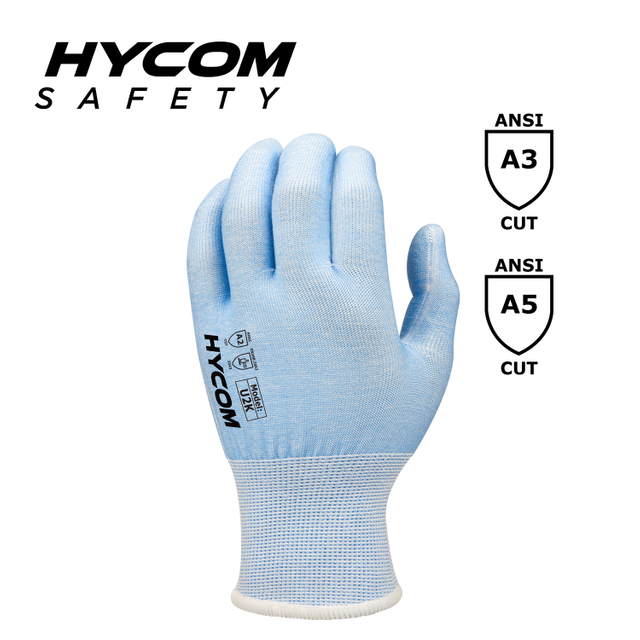
One of the most significant benefits of the 2025 cut-resistant glove trends is the focus on improving comfort, especially for workers who wear gloves for extended periods. The latest materials, such as Dyneema® Diamond 3.0 fibers, are significantly lighter than older glove technologies, reducing fatigue during long shifts. This lighter weight doesn’t come at the expense of protection; in fact, it still offers higher cut resistance, allowing workers to feel secure without the discomfort of bulky, heavy gloves. This shift is particularly important in industries like manufacturing, healthcare, and construction, where workers often wear gloves for many hours. The added flexibility also ensures that gloves are more dexterous, making it easier for workers to handle tools or equipment without sacrificing safety.
In high-risk environments, the need for reliable, protective gear is essential. The 2025 trends in cut-resistant gloves, driven by innovations like Dyneema® Diamond 3.0, provide enhanced protection that is both lightweight and highly resistant to cuts and punctures. These gloves now offer superior performance compared to older materials like HPPE, providing ANSI A7–A9 protection levels while being significantly thinner and more comfortable. This technology is particularly valuable in industries such as metal fabrication, automotive assembly, and electronics manufacturing, where workers face sharp tools, machinery, and hazardous materials. The advanced materials not only offer better cut protection but also increase overall safety by reducing the risk of accidents and injuries due to glove-related discomfort or failure.
The trend toward more sustainable cut-resistant gloves is one of the most exciting advancements in 2025. Gloves made with self-healing fibers and biodegradable coatings help address the growing concerns over waste and environmental impact. These gloves not only last longer due to the self-healing properties but are also made from plant-derived materials, which are biodegradable and decompose more easily in landfills. The sustainability benefits extend beyond reducing waste; these innovations also offer long-term cost savings. Because the gloves last longer, companies spend less on frequent replacements. Furthermore, the integration of recycled fibers, like those used in the updated EN 388:2026 standard, reduces the need for new raw materials, helping to lower manufacturing costs while also aligning with corporate social responsibility goals.
Feature | Dyneema® Diamond 3.0 Fiber | Traditional Glove Materials |
Comfort | Lighter weight, more flexibility | Bulky, less comfortable |
Protection | High cut resistance (ANSI A7-A9) | Lower cut resistance |
Sustainability | Self-healing, biodegradable fibers | Synthetic, non-biodegradable |
Cost-Effectiveness | Longer-lasting, reduced waste | Frequent replacements required |
Industry Application | Automotive, metal fabrication | General industrial use |
The latest trends in cut-resistant gloves for 2025 focus on innovations in materials, including lighter and stronger fibers, enhanced protection, and sustainability. Smart gloves with real-time safety monitoring, along with self-healing fibers and biodegradable coatings, are transforming the industry. Companies like Hycom are leading the way in offering advanced, eco-friendly products that provide superior protection and durability. Businesses and workers should prioritize these advancements for improved safety and long-term cost-effectiveness.
A: The latest trends include lighter and stronger fibers like Dyneema® Diamond 3.0, smart gloves with real-time safety monitoring, and eco-friendly materials like biodegradable coatings.
A: Smart cut-resistant gloves integrate sensors that monitor cut risks and alert the wearer through haptic feedback or visual signals, enhancing workplace safety.
A: Biodegradable coatings help reduce the environmental impact of disposable gloves by using plant-derived materials, making them more eco-friendly than synthetic alternatives.
A: Self-healing fibers automatically seal small cuts, extending glove lifespan and reducing the need for frequent replacements in high-risk environments.
A: Dyneema® Diamond 3.0 offers six times higher cut resistance and 40% lighter weight than traditional fibers, providing superior protection and comfort.
