
Views: 0 Author: Site Editor Publish Time: 2025-11-28 Origin: Site


The kitchen is full of potential hazards, and hand injuries are more common than you might think. From slicing vegetables to grating cheese, it's easy to make a mistake that leads to painful cuts. That's why cut resistant gloves are becoming a must-have for both professional chefs and home cooks.
In this post, we'll explore why using cut resistant gloves in the kitchen is essential for safety and how they can help prevent injuries, contamination, and even save money. You’ll learn the practical benefits of these gloves and why they're gaining popularity in kitchens everywhere.
Kitchens, whether commercial or at home, are high-risk areas for hand injuries. According to the U.S. Bureau of Labor Statistics, over 350,000 workplace hand injuries occur annually, with many resulting from knife-related accidents. These injuries can range from minor cuts to serious lacerations that require stitches. Fast-food chains have recognized the importance of preventing these accidents and have mandated the use of cut-resistant gloves for employees. As a result, injury rates in these establishments have dropped by as much as 70%, saving them significant amounts in workers' compensation costs. This data highlights just how effective gloves can be in minimizing injury risk in busy kitchen environments.
In the kitchen, the most common injuries are cuts, punctures, and abrasions, often caused by sharp tools like knives, graters, and mandolins. For example, a chef could easily sustain a deep cut while dicing vegetables, or a home cook might accidentally scrape their finger on a grater. Even more severe accidents can occur when using knives or handling broken glass. A home chef, for instance, recently required seven stitches after a knife slipped while chopping onions—a painful and avoidable injury that could have been prevented with the proper safety gear.
These examples highlight the fact that hand injuries in the kitchen are not just a risk for professionals; they can happen to anyone who spends time preparing food. The good news is that using cut-resistant gloves can dramatically reduce the likelihood of these injuries, making them an essential tool for both commercial kitchens and home cooks.
Injury Type | Cause | Severity | Example |
Cuts | Knife slips, grating, slicing | Minor to severe | Chef needing stitches from slicing onions |
Punctures | Mandolin, grater | Minor to moderate | Scraping finger on a grater |
Abrasions | Contact with sharp edges of tools | Minor | Small abrasions from broken glass |
Tip: By recognizing these common risks and understanding the statistics, it becomes clear that cut-resistant gloves should be an integral part of any kitchen safety protocol.
In professional kitchens, maintaining high food hygiene standards is crucial for both health and regulatory compliance. Cut-resistant gloves play a significant role in preventing cross-contamination by acting as a barrier between kitchen staff and food. When chefs handle raw ingredients, especially meats, the risk of bodily fluids, such as blood or sweat, contaminating the food is high. The FDA guidelines for food handling stress the importance of protective gear to mitigate such risks. Cut-resistant gloves, typically made from materials like HPPE (High-Performance Polyethylene) or Kevlar, help avoid this problem by preventing direct contact between the food and potentially harmful bodily fluids, reducing the risk of foodborne illnesses like Salmonella and E. coli.
These gloves not only protect the food but also ensure the staff remains compliant with health and safety regulations, ultimately avoiding costly fines and damage to a restaurant's reputation. By integrating cut-resistant gloves into daily operations, kitchens can minimize the chances of contamination and enhance overall safety, providing a more hygienic environment for food preparation.
For home cooks, the importance of food safety cannot be overstated, especially when dealing with raw meat or other high-risk ingredients. Without proper protection, even a minor cut can expose raw food to harmful bacteria, leading to potential contamination. For instance, a chef slicing raw chicken could accidentally cut their finger, causing blood to mix with the meat. Cut-resistant gloves help prevent this by keeping bodily fluids away from the food, which lowers the chance of cross-contamination.
These gloves are not only effective when handling meat but also when dealing with other potentially hazardous foods like raw vegetables or seafood. They are designed to be easy to clean, reducing the risk of bacterial buildup. With gloves, home cooks can have peace of mind knowing that they are taking necessary precautions to protect both their health and their family’s health while preparing meals.
Task | Risk | Benefit of Gloves |
Slicing raw chicken | Blood contamination | Gloves prevent blood from mixing with food |
Grating vegetables | Minor cuts, contamination risk | Gloves protect against abrasions and germs |
Handling seafood | Cross-contamination | Gloves act as a barrier to harmful bacteria |
Modern cut-resistant gloves have evolved significantly, offering protection without sacrificing the precision needed in kitchen tasks. These gloves are made from advanced materials like HPPE (High-Performance Polyethylene) and Kevlar, which are known for their strength and flexibility. Despite their tough nature, these gloves are thin and lightweight, providing protection while still allowing chefs and home cooks to perform delicate tasks such as peeling garlic, slicing fruits, or rolling dough.
One of the key advantages of modern gloves is the use of materials that combine high strength with minimal bulk. HPPE and Kevlar are both incredibly strong—up to 15 times stronger than steel by weight—but remain flexible enough to allow for fine motor skills. This makes them ideal for tasks that require a high level of precision, such as using a mandolin or finely chopping vegetables. The gloves are designed to provide protection against cuts while ensuring that the wearer can feel the texture of ingredients, which is essential for many culinary tasks.
Gone are the days when safety gear meant bulky, uncomfortable barriers. Modern cut-resistant gloves are designed to maintain the dexterity required for intricate tasks. For example, when preparing delicate ingredients like tomatoes or herbs, chefs need to feel the texture to ensure they are not overripe or bruised. With cut-resistant gloves, they can perform these tasks confidently, knowing their hands are protected from sharp knives or other cutting tools, yet they can still maintain the tactile feedback needed for precise work.
Comfort is crucial for ensuring that cut-resistant gloves are worn consistently. Modern gloves are designed to fit snugly and comfortably, so they do not interfere with hand movements. Many gloves come in various sizes to ensure a good fit, which helps reduce hand fatigue during long kitchen sessions. Breathable materials and moisture-wicking properties keep hands cool and dry, even during extended use, making them ideal for long prep times.
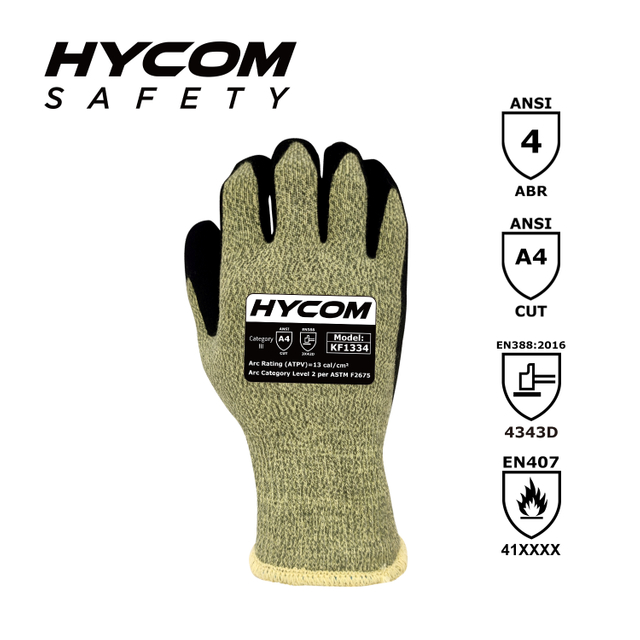
Kitchen accidents can be costly, not only in terms of time and productivity but also medical expenses. A deep cut from a knife can lead to expensive emergency room visits, stitches, and potentially long recovery times. For instance, a single kitchen injury can result in medical bills that can easily surpass the cost of investing in cut-resistant gloves. By preventing these injuries, gloves reduce the need for costly medical treatments, allowing kitchen operations to run smoothly without disruptions.
Even for home cooks, a minor injury can mean missed work, medical bills, and the added cost of recovery. Investing in gloves for just a few dollars can save hundreds in medical expenses, proving that prevention is not only safer but more economical in the long term.
For commercial kitchens, the savings can be even more significant. Worker compensation claims resulting from kitchen injuries can lead to high insurance premiums, legal fees, and lost work hours. By incorporating cut-resistant gloves into daily routines, restaurants and food services can greatly reduce the number of accidents. A study from eSafety Supplies found that when a fast-food chain mandated gloves for all employees, worker injuries dropped by 70%, leading to substantial savings in workers' compensation costs.
These savings are not just one-time; they compound over time. A restaurant that invests in quality gloves can avoid the hidden costs associated with workplace injuries, like lawsuits or temporary employee replacements, and continue to operate smoothly, maintaining both safety and profitability.
Another cost-saving factor is the durability of modern cut-resistant gloves. High-quality gloves, especially those made from materials like Kevlar and HPPE, are designed to withstand repeated use and washing. Unlike cheaper alternatives, which may wear out quickly, gloves made from these materials maintain their protective qualities even after numerous washes. This means that, while the initial investment may be slightly higher, the gloves will last longer, providing ongoing value and reducing the need for frequent replacements.
Type of Savings | Example | Benefit |
Medical Cost Reduction | Preventing injuries reduces ER visits and bills | Significant savings on medical expenses |
Worker Compensation Savings | Reducing accidents lowers insurance premiums | Long-term financial benefits for businesses |
Durability | Gloves made from HPPE or Kevlar last longer | Reduced replacement costs over time |
Cut-resistant gloves provide crucial protection not only against knives but also against other sharp kitchen tools like graters and mandolins. These tools often have small, sharp openings that can cause hidden cuts, which are particularly dangerous since they may go unnoticed until a significant injury occurs. Using a mandolin to slice vegetables, for example, presents a risk of fingers slipping and making contact with the blade, which can easily result in deep cuts.
Graters, which are commonly used for cheese or vegetables, can also cause injuries if hands slip while rubbing food against the surface. Cut-resistant gloves reduce this risk by providing a protective barrier between your skin and the sharp surfaces of these tools, allowing you to work more confidently. Whether grating cheese or slicing vegetables with a mandolin, these gloves help ensure safety while maintaining the precision needed for these tasks.
In the kitchen, sharp objects and broken glassware pose a significant hazard. Accidents can happen when handling knives, opening cans, or cleaning up after dropping a dish. Sharp tools, such as pastry cutters, scissors, or broken glass, can cause immediate injury, especially if you’re in a hurry or distracted. Cut-resistant gloves provide essential protection by acting as a shield against cuts and punctures when dealing with sharp kitchen items.
Additionally, when handling broken glass, even small fragments can lead to cuts if not properly managed. The gloves prevent injury by covering the skin and offering a protective layer, ensuring you can clean up safely without exposing your hands to cuts. Furthermore, these gloves also protect against handling tough materials like canned goods, which often have sharp edges that can cause abrasions or deep cuts.
Hazard | Example | Protection Offered |
Graters and Mandolins | Hidden cuts while grating or slicing | Protects hands from sharp, small blades |
Broken Glass | Cleaning up shattered glass | Prevents cuts from glass shards |
Sharp Kitchen Tools | Cutting, slicing with tough knives | Protects from deep knife punctures |
Cut-resistant gloves are not just an optional safety accessory; they are essential for any kitchen, whether at home or in a professional setting. These gloves provide protection from a variety of kitchen hazards, reducing the risk of injuries caused by knives, graters, mandolins, and other sharp tools. By wearing them, cooks can prevent cuts and abrasions, ensuring that kitchen work remains safe and productive.
Moreover, these gloves help prevent contamination, especially when handling raw meat or other potentially hazardous foods. The gloves create a barrier between the cook’s hands and the food, reducing the risk of bacteria transfer. They also allow cooks to maintain their dexterity, providing the protection needed for detailed tasks like peeling garlic or finely chopping vegetables. Ultimately, cut-resistant gloves not only save money by reducing medical costs but also enhance kitchen efficiency by ensuring safety without sacrificing performance.
The market offers a wide range of cut-resistant gloves to suit different needs and budgets. For home cooks, affordable options made from HPPE (High-Performance Polyethylene) provide excellent protection while being lightweight and flexible. These gloves are ideal for everyday use, offering comfort and durability without being bulky. On the other hand, commercial kitchens, where the risk of injury is higher, can benefit from more durable gloves, such as those made from Kevlar. These gloves are designed for heavy-duty use, offering superior protection while maintaining flexibility and comfort. Whether you’re preparing a quick dinner at home or running a busy kitchen, there’s a glove that fits your needs.
Cut-resistant gloves should be seen as an investment in kitchen safety rather than a luxury item. From preventing injuries to improving food hygiene, these gloves play a crucial role in any kitchen. They are easy to use, affordable, and effective in providing the protection needed to keep both cooks and food safe. By integrating these gloves into everyday kitchen practices, chefs and home cooks alike can prioritize safety and ensure a more efficient, injury-free kitchen environment. Adding a pair of cut-resistant gloves to your kitchen toolkit is a simple step toward a safer cooking experience.
Glove Type | Ideal For | Key Benefit |
HPPE Gloves | Home Kitchens | Affordable, flexible, lightweight |
Kevlar Gloves | Commercial Kitchens | Heavy-duty, durable, long-lasting |
General Cut-Resistant | Both Home and Professional Use | Provides protection from cuts and contamination |
Cut-resistant gloves are essential for both home and commercial kitchens. They provide crucial safety by reducing injuries, preventing contamination, and maintaining hygiene. These gloves also save money by avoiding costly medical bills and compensation claims. With a variety of options available, such as affordable HPPE gloves for home use or durable Kevlar models for commercial kitchens, these gloves are versatile and reliable. Hycom offers high-quality gloves that deliver superior protection, ensuring both safety and efficiency in the kitchen.
A: Cut resistant gloves are safety gloves designed to protect hands from cuts and abrasions. Made from materials like Kevlar or HPPE, they offer high protection while maintaining dexterity.
A: These gloves work by using advanced fibers that are stronger than steel, providing a barrier between the skin and sharp objects. This reduces the risk of cuts and injuries during tasks like slicing or grating.
A: Cut resistant gloves help prevent injuries, maintain hygiene, and reduce the risk of contamination. They are essential for safe food preparation and protect against various kitchen hazards.
A: Yes, they save money by preventing costly injuries and medical bills. They also offer long-term value as they are durable and can withstand repeated use.
