
Views: 0 Author: Site Editor Publish Time: 2025-12-04 Origin: Site


Choosing the right cut-resistant glove is crucial for safety and efficiency. Different materials offer varying levels of protection, comfort, and durability. It’s important to balance these factors based on the specific task at hand.
In this post, we’ll explore the pros and cons of the most common cut-resistant glove materials. You’ll learn how to select the best gloves for industries like food processing, metalworking, and more.
HPPE gloves, made from materials like Dyneema® and Spectra®, are known for their impressive strength-to-weight ratio. These gloves are 5 to 15 times stronger than steel by weight, offering reliable cut resistance without adding bulk. This makes them ideal for tasks requiring both protection and dexterity.
These gloves excel in comfort and flexibility, allowing users to perform precision tasks like handling small parts or working with delicate tools. The thin, flexible fibers of HPPE reduce hand fatigue, even during long shifts. Additionally, HPPE gloves are machine washable, maintaining durability for extended use. They resist chemicals, oils, and solvents, making them suitable for environments where such substances are present, like food processing or automotive work.
While HPPE offers excellent cut protection, it has its limitations. The material lacks high heat resistance and begins to melt around 130°C (266°F), which makes it unsuitable for high-heat tasks such as welding or handling hot metals.
Additionally, HPPE gloves are more vulnerable to abrasion compared to tougher materials like Kevlar® or stainless steel mesh. In heavy industrial settings, the gloves may wear thin faster, especially in environments involving metal stamping or heavy machinery use.
HPPE gloves are best for light-to-medium risk tasks, typically rated ANSI A2-A6 for cut protection. These gloves are perfect for industries where dexterity is crucial, like food processing, cable handling, and light metal fabrication. Their combination of protection, comfort, and flexibility makes them a versatile choice for various tasks.
Feature | HPPE Gloves |
Strength-to-Weight Ratio | 5-15x stronger than steel |
Dexterity | High flexibility for precision tasks |
Durability | Washable, long-lasting |
Chemical Resistance | Resistant to oils, solvents, and acids |
Heat Resistance | Low (Melts at ~130°C) |
Abrasion Resistance | Moderate, wears faster in heavy use |
Tip: HPPE gloves are an excellent choice for industries prioritizing cut protection while maintaining comfort and flexibility for precision work.
Kevlar® gloves are known for their exceptional cut and heat resistance, offering ANSI A4-A9 protection levels, which makes them perfect for tasks where safety is a top priority. They can withstand heat up to 100°C, making them suitable for high-temperature environments.
Kevlar® is also highly durable, which is why it’s often used in heavy-duty industrial applications. Its high resistance to wear and tear ensures longer-lasting protection in harsh work environments. Additionally, these gloves are chemically resistant to oils, fuels, and industrial chemicals, providing protection in automotive, machinery, or other industrial settings.
Despite their benefits, Kevlar® gloves come with some drawbacks. One of the main concerns is their higher cost compared to materials like HPPE, which could be a barrier for companies on a tight budget.
Kevlar® also absorbs moisture, which can cause discomfort in hot environments. This can make them less ideal for long shifts in warmer settings. Moreover, when used in higher cut levels (A8-A9), Kevlar® gloves tend to be less flexible, which can limit dexterity. This could be problematic in tasks that require fine motor skills.
Kevlar® gloves are best for high-risk, high-heat tasks, particularly where cut protection and durability are critical. They are rated ANSI A4-A9 and are ideal for environments like welding, heavy metal fabrication, and emergency services where protection from both cuts and heat is essential.
Feature | Kevlar® Gloves |
Cut Resistance | ANSI A4-A9 (High) |
Heat Resistance | Up to 100°C |
Durability | High, ideal for industrial use |
Chemical Resistance | Resists oils, fuels, and most industrial chemicals |
Cost | Higher compared to HPPE |
Dexterity | Reduced in higher cut levels (A8-A9) |
Kevlar® gloves provide a balance of heat, cut, and chemical resistance, making them a strong choice for tasks in high-risk industrial environments.
Stainless steel mesh gloves are known for providing the highest level of cut protection, with ANSI A8-A9 ratings. They are the ideal choice for tasks where absolute protection is crucial, such as butchering or industrial slicing. The interlinked metal rings offer an impenetrable barrier against sharp blades, ensuring safety in high-risk environments.
These gloves are easy to sanitize, making them an excellent choice for food processing environments, such as meat deboning, where hygiene is critical. The metal’s non-porous nature also resists bacterial growth, reducing the risk of contamination.
While stainless steel mesh gloves provide unmatched cut protection, they come with notable drawbacks. The gloves are stiff, making them difficult to bend and limiting dexterity. This lack of flexibility makes them unsuitable for tasks that require precise finger movements.
Additionally, these gloves are heavier than most other cut-resistant materials, which can make them uncomfortable for prolonged use. The weight, combined with the rigid structure, can lead to hand fatigue.
Another drawback is the risk of rust if the gloves are not dried properly after washing. This adds extra maintenance time and can affect the gloves’ longevity.
Stainless steel mesh gloves are best suited for extreme-risk tasks where maximum cut protection is necessary, such as butchering, industrial slicing, and working with sharp metal scrap. They are perfect for environments where safety is the top priority, and the risk of injury is high.
Leather gloves, particularly those made from cowhide, pigskin, or sheepskin, offer excellent natural abrasion resistance. This makes them well-suited for rough surfaces like wood, metal, or stone, commonly found in construction or forestry work. The tough texture of leather helps protect hands from scrapes and cuts during heavy-duty tasks.
Pigskin gloves are especially breathable due to their larger pores, which helps to reduce sweat buildup during long hours of work, enhancing comfort in warmer environments. Leather gloves are also a cost-effective option for tasks that don’t require high cut resistance, making them a practical choice for budget-conscious teams or low-risk applications.
While leather gloves are durable and offer abrasion resistance, their cut protection is limited, typically ranging from ANSI A1-A2. This makes them unsuitable for tasks involving sharp tools or metal handling, where higher cut protection is required.
Leather gloves also require regular maintenance to prevent drying or cracking. Exposure to water or prolonged use can cause the leather to lose its softness and flexibility. In thicker leather gloves, the material becomes less flexible, restricting movement and making them unsuitable for tasks requiring precision.
Leather gloves are best for low-risk tasks where cut protection is not a primary concern. They are typically used in construction, woodworking, and general packaging applications, where durability and comfort are more important than cut resistance.
Feature | Leather Gloves |
Abrasion Resistance | High, ideal for rough surfaces |
Breathability | High, especially in pigskin gloves |
Cost | Affordable for low-risk tasks |
Cut Protection | Limited (ANSI A1-A2) |
Maintenance | Requires conditioning to prevent cracking |
Flexibility | Reduced in thicker gloves |
Leather gloves provide reliable abrasion resistance and breathability, making them a great choice for tasks that don’t involve sharp objects. They are an affordable, comfortable option for general labor.
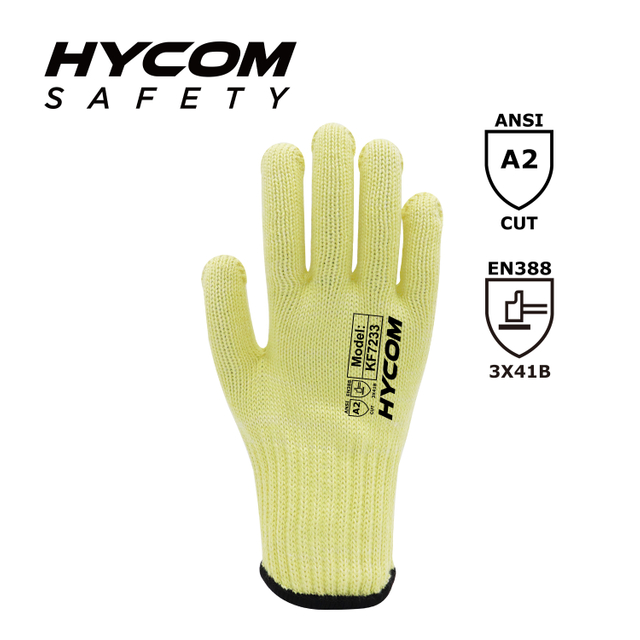
Nitrile-coated gloves are a hybrid material that combines the cut protection of HPPE or Kevlar with the durability of nitrile coating. The nitrile coating enhances grip, particularly on wet or oily surfaces, making them ideal for tasks like automotive repairs or working with slippery materials. This added grip prevents slippage, offering more control and safety.
These gloves also provide excellent puncture resistance, thanks to the nitrile layer, which acts as an added barrier against sharp objects. Additionally, they retain the cut protection properties of the underlying HPPE or Kevlar, offering a balance between flexibility and durability. The combination of cut resistance and puncture protection makes these gloves versatile for a wide range of applications.
One downside of nitrile-coated gloves is the reduced breathability due to the coating. While the coating improves grip and puncture resistance, it can trap heat, making them less comfortable for extended wear, especially in warm environments.
Furthermore, the nitrile coating may peel off with repeated use, particularly when exposed to harsh chemicals or solvents. This can reduce the gloves’ effectiveness and longevity, requiring more frequent replacement.
Nitrile-coated gloves are ideal for medium-risk tasks, rated ANSI A2-A5 for cut protection. These gloves are commonly used in industries like automotive repair, food processing, and warehouse work, where a good balance of grip, cut protection, and puncture resistance is needed.
Feature | Nitrile-Coated Gloves |
Grip | Excellent on wet/oily surfaces |
Puncture Resistance | High, due to nitrile coating |
Cut Protection | Retains HPPE/Kevlar durability |
Breathability | Reduced due to coating |
Coating Durability | May peel off with use |
Ideal Task Type | Automotive repair, food processing, warehouse work |
Nitrile-coated gloves offer enhanced safety and versatility for a variety of tasks. However, their breathability and coating durability may be limiting factors for some applications.
Glass fiber gloves offer excellent heat resistance, capable of withstanding temperatures up to 500°C (932°F). This makes them ideal for high-temperature tasks like glass manufacturing or chemical processing, where other materials may not provide adequate protection.
In addition to heat resistance, glass fiber gloves offer a lightweight protective solution, providing ANSI A3-A5 cut resistance. The lightweight nature of these gloves ensures that they remain comfortable even during extended wear, making them a good choice for tasks where both heat and cut protection are needed.
However, there are some downsides to glass fiber gloves. One significant issue is the risk of skin irritation. If the fibers break or fray, they can cause itching or discomfort, requiring the use of a soft liner to enhance comfort.
Another drawback is their relatively lower abrasion resistance compared to other materials like Kevlar®. In heavy industrial use, glass fiber may fray more quickly, leading to reduced longevity in demanding environments.
Glass fiber gloves are best suited for medium-risk, high-heat tasks, typically rated ANSI A3-A5 for cut resistance. They are commonly used in industries such as glass manufacturing, chemical processing, and light welding, where high-temperature protection is critical but the risk of high abrasion is lower.
Feature | Glass Fiber Gloves |
Heat Resistance | Up to 500°C (932°F) |
Cut Protection | ANSI A3-A5 |
Weight | Lightweight for comfort |
Skin Irritation Risk | Possible from broken fibers |
Abrasion Resistance | Lower than Kevlar |
Ideal Task Type | Glass manufacturing, chemical processing |
Glass fiber gloves strike a balance between heat resistance and cut protection, making them ideal for high-heat environments. However, their abrasion resistance and potential for skin irritation may limit their use in some applications.
Material | ANSI Cut Level | Heat Resistance | Dexterity | Durability | Cost | Ideal Task Type |
HPPE | A2–A7 | Low (<130°C) | Excellent | Moderate | Low | Food processing, light metalwork |
Kevlar® | A4–A9 | High (<260°C) | Good | Excellent | Mid-High | Welding, heavy fabrication |
Stainless Steel Mesh | A8–A9 | None (conducts) | Poor | Excellent | High | Butchering, industrial slicing |
Leather | A1–A2 | Low (<100°C) | Moderate | Moderate | Low | Construction, woodworking |
Nitrile-Coated Blends | A2–A6 | Low (<130°C) | Good | Good | Mid | Automotive repair, warehouse |
Glass Fiber | A3–A5 | Very High (<500°C) | Moderate | Moderate | Mid | Glass manufacturing, chemicals |
Choosing the right cut-resistant glove material depends on the specific risks of the task, such as cut resistance, heat, abrasion, and dexterity. It's crucial to match the ANSI levels with the hazards to avoid overspending on unnecessary protection. Balancing comfort, durability, and task-specific needs is key when selecting materials like HPPE, Kevlar, stainless steel mesh, or nitrile-coated blends. Hycom offers high-quality gloves that provide reliable protection, helping you find the right solution for your industry needs.
A: A cut-resistant glove is a type of protective glove designed to prevent cuts and lacerations. They are typically made from materials like Kevlar, HPPE, or stainless steel mesh, offering varying levels of protection based on the task and hazard.
A: Cut-resistant gloves work by using materials with high tensile strength to absorb and resist sharp objects. The fibers or mesh weave in these gloves prevent knives or tools from cutting through, offering protection to the wearer.
A: Using a cut-resistant glove reduces the risk of injury from sharp objects, making them essential in high-risk jobs such as food processing, metalworking, and glass handling.
A: Cut-resistant gloves provide protection from sharp objects, enhance safety in hazardous environments, and improve grip and comfort, especially in tasks involving cutting, slicing, or handling dangerous materials.
A: Choose a cut-resistant glove based on the level of protection needed for the task. Consider the ANSI cut level, heat resistance, and the type of material used to match the hazards in your workplace.
