
Views: 0 Author: Site Editor Publish Time: 2025-12-08 Origin: Site


Cut-resistant gloves are essential for safety, but they can lose their effectiveness if not properly maintained. Over time, neglecting care can reduce their protective performance by 30-50%. Different materials, such as HPPE, Kevlar, and metal mesh, require specific cleaning methods to ensure long-lasting protection. In this article, you'll learn the best tips for maintaining and cleaning your cut-resistant gloves to keep them in top condition.
Cut-resistant gloves come in various materials, each offering unique benefits and care needs. The most common materials are HPPE (High-Performance Polyethylene), Kevlar, metal mesh, and coated gloves like nitrile or PU.
● HPPE Gloves: Known for their lightweight and flexible nature, HPPE gloves are often used in industries requiring dexterity. They can be machine-washed but should avoid high heat to preserve cut resistance.
● Kevlar Gloves: These are highly durable and cut-resistant, making them ideal for heavy-duty tasks. Kevlar gloves are also machine-washable, but excessive heat can weaken the fibers, so always follow manufacturer recommendations.
● Metal Mesh Gloves: These are perfect for extreme cutting risks, especially in food processing and knife handling. Metal mesh gloves must always be hand-washed to prevent rust and mesh distortion.
● Coated Gloves: Gloves coated with nitrile or PU provide additional grip and protection against chemicals. They require specific cleaning methods to avoid damaging the coating, which can reduce their effectiveness.
Each material type requires specific care to maintain its protective capabilities. Ignoring the manufacturer's guidelines can significantly reduce the gloves' performance. For example, using harsh detergents, high heat, or improper washing techniques can weaken fibers or distort coatings, reducing cut resistance by as much as 50%. By following the correct maintenance methods, you can extend the life of your gloves and ensure they provide optimal protection.
Before cleaning your gloves, always check the manufacturer's label for care instructions. Key factors to look for include:
● Machine Washability: Some gloves can be machine-washed, while others need to be hand-washed to avoid damage. The label will specify the wash method.
● Heat Limitations: Heat can degrade certain materials. Look for recommended temperature ranges to ensure the gloves maintain their cut-resistant properties.
● Coating Care: Coated gloves may have specific instructions regarding solvent use. Harsh chemicals or cleaners can damage the coating and reduce their functionality.
Before cleaning your cut-resistant gloves, it’s important to check their condition. Inspect them for any signs of damage such as frayed fibers, peeling coatings, or holes. Damaged gloves may not offer full protection, and cleaning them without addressing these issues can worsen the problem. If you find significant damage, consider replacing the gloves, as cleaning won’t restore their safety capabilities. Even small frays or scratches can reduce the gloves' overall cut resistance, so always take the time to examine them carefully before proceeding.
Before you start cleaning, you’ll need to remove dirt, debris, and any other contaminants from the gloves. For gloves exposed to food, it’s especially important to ensure there’s no leftover residue that could transfer onto new surfaces. Shake out the gloves or use a soft brush to gently remove larger particles, especially from hard-to-reach areas. If you notice stains or heavily soiled areas, pre-treat them by applying a mild soap solution or a stain remover safe for the glove material. Use a soft cloth or brush to work the soap into the stained areas, but be careful not to damage delicate fibers, especially on gloves made from materials like Kevlar.
Different materials require different cleaning methods to ensure they last as long as possible. The first step in proper glove care is to categorize them based on their material, as this determines the best cleaning method. Here’s a quick guide:
● HPPE Gloves: These are usually machine washable, but it’s essential to follow manufacturer instructions regarding temperature and detergent types. Avoid using bleach or harsh chemicals.
● Kevlar Gloves: Like HPPE gloves, Kevlar is machine-washable, but always wash on a gentle cycle to preserve the strength of the fibers. Use mild detergent and avoid high heat.
● Metal Mesh Gloves: These gloves require special attention—they should never be machine-washed, as it could lead to rusting or distortion of the mesh. Instead, clean them by hand with lukewarm water and mild soap.
● Coated Gloves: Coated gloves (nitrile or PU-coated) need a different approach. Never use solvents that could break down the coating. Instead, wash them gently by hand and avoid soaking for long periods.
Material | Cleaning Method | Special Instructions |
HPPE | Machine Washable | Avoid bleach, max 104°F (40°C) temperature |
Kevlar | Machine Washable | Use mild detergent, gentle cycle, max 104°F |
Metal Mesh | Hand Wash Only | Avoid machine wash, clean with lukewarm water |
Coated Gloves | Hand Wash Only | Avoid harsh chemicals, clean gently |
Tip: By categorizing your gloves correctly and following these pre-cleaning steps, you can ensure that they maintain their protective qualities, durability, and performance. Always pay attention to specific care guidelines provided by the manufacturer for the best results.
Hand-washing is the gentlest cleaning method and is ideal for delicate gloves, especially those made from materials like Kevlar or metal mesh. To hand-wash gloves, first prepare a solution using mild detergent and lukewarm water (max 104°F/40°C). Avoid using bleach or harsh chemicals, as they can break down the fibers or coatings. Once the solution is ready, gently scrub the gloves using a soft brush or cloth, focusing on areas with heavy dirt or stains.
For gloves that come into contact with food, extra care is necessary. After washing, rinse thoroughly to ensure there is no soap residue left. To prevent bacterial growth, consider adding a food-safe sanitizer to the rinse water. Gently press out excess water, but avoid wringing the gloves, as this can distort their shape and damage the material. Lay the gloves flat to dry in a cool, dry area.
Machine-washing is a quicker method, especially for tougher gloves made from HPPE or Kevlar. However, it’s essential to use the right settings to prevent damage. Place gloves in a garment bag to reduce friction and prevent tangling. Use a mild detergent free of bleach and fabric softener, as fabric softeners can coat fibers, reducing cut resistance. Set the washing machine to a gentle or delicate cycle, with warm water (max 104°F/40°C).
If you’re washing gloves like HPPE or Kevlar, avoid using the spin cycle at high speeds, as this can stress the fibers. For gloves with coatings (like nitrile or PU), skip the spin cycle entirely, or use a low-speed setting to protect the coating from peeling. Always check the manufacturer's care instructions to ensure you’re following the recommended guidelines for each glove type.
Metal mesh gloves require special care. These gloves should never be machine-washed, as doing so can lead to rust or deformation of the mesh. Instead, clean them by hand using mild detergent and lukewarm water. Use a soft cloth or brush to remove dirt from the mesh links. Pay special attention to areas where debris may get trapped between the links. After washing, rinse thoroughly to remove all soap residue.
For extra care, inspect the gloves for any signs of rust or damage. If you notice any corrosion, immediately replace the gloves, as this could compromise their protective function. Always allow metal mesh gloves to air-dry completely to prevent rusting.
Material | Hand-Wash | Machine-Wash | Special Instructions |
HPPE | Yes | Yes | Use gentle cycle, avoid high heat |
Kevlar | Yes | Yes | Use mild detergent, delicate cycle |
Metal Mesh | Yes | No | Hand wash only, avoid machine washing |
Coated Gloves | Yes | Yes (if permitted) | Avoid harsh chemicals and high heat |
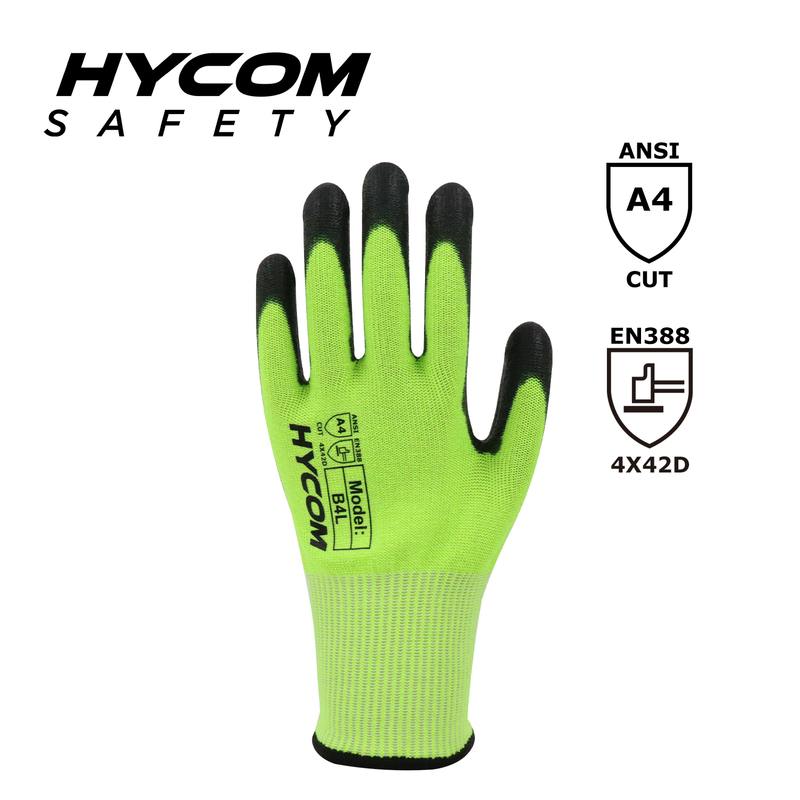
Proper drying is essential to maintain the effectiveness and longevity of your cut-resistant gloves. High heat from direct drying methods, such as using a dryer or placing gloves near a heat source, can damage the glove materials, especially synthetic fibers like HPPE or Kevlar. Heat weakens the fibers, causing them to become brittle over time, which reduces the glove's cut resistance and overall protection.
The best drying method is air-drying, as it preserves the glove's integrity. To air-dry your gloves, lay them flat on a clean, dry towel or hang them by the wrist to dry naturally. This method prevents the fibers from being stretched or warped and avoids exposing the gloves to the damaging effects of heat. For lined gloves, such as those with a fleece or insulated interior, you can stuff the fingers with paper to help them dry evenly and maintain their shape.
While air-drying is preferred, there are times when tumble drying may be acceptable for certain materials like HPPE and Kevlar. However, it’s essential to follow specific guidelines to avoid damaging the gloves. When tumble-drying, always use the lowest heat setting, typically "low" or "delicate," to prevent high temperatures from degrading the material.
For HPPE and Kevlar gloves, limit the drying time to about 10–15 minutes, just long enough to remove excess moisture. Over-drying can cause fibers to become stiff, losing their flexibility and reducing their protective qualities. Always check the manufacturer’s instructions to see if tumble drying is recommended for your specific gloves and whether any additional precautions, such as using a garment bag, should be taken.
Direct exposure to sunlight and high heat sources, such as radiators or hairdryers, can significantly damage your gloves. UV rays from the sun break down the materials, causing them to degrade and lose their protective features. High heat can cause coatings, like nitrile or PU, to crack, reducing the glove's grip and effectiveness.
To maintain your gloves' performance, always avoid drying them in direct sunlight or near hot surfaces. Instead, dry them in a cool, shaded area, away from sources of heat. UV damage can be especially harmful to gloves made of synthetic fibers, such as HPPE, so proper storage and drying in a cool, dry location is key to prolonging the life of your gloves.
Drying Method | Recommended Approach | Key Notes |
Air-Drying | Lay flat or hang up in a cool, dry area | Prevents heat damage and maintains glove shape |
Tumble-Drying | Use low heat for 10-15 minutes | Only for HPPE and Kevlar, never over-dry |
Sunlight/Direct Heat | Avoid exposure to UV rays or direct heat | Prevents fiber degradation and coating damage |
To extend the life of your cut-resistant gloves, it’s important to rotate them regularly. Using the same pair continuously leads to moisture buildup, which can weaken the fibers and reduce the gloves' protective properties. By alternating between two or more pairs, you allow each glove to dry thoroughly and recover its shape. This not only helps prevent excessive wear but also reduces the risk of fatigue in the glove material, keeping them strong and functional for a longer period. Rotating gloves can also help keep your hands dry and comfortable, as moisture and sweat can accumulate over time, affecting the fit and performance.
Regular inspections are crucial to maintaining the effectiveness of your gloves. Check for any signs of damage, such as holes, frayed fibers, or peeling coatings, especially on high-stress areas like the palms and fingertips. These areas are more prone to wear and can significantly compromise the glove’s ability to protect against cuts. If you notice any minor damage, consider repairing the gloves if possible. For example, gloves with peeling coatings may be refurbished with a suitable coating treatment to restore their function. If the damage is severe, it’s best to replace the gloves to ensure your safety isn't compromised.
Proper storage plays a key role in maintaining the longevity of your cut-resistant gloves. When not in use, gloves should be stored in a cool, dry place, away from direct sunlight or heat sources. Heat and UV rays can degrade materials like HPPE, Kevlar, and coatings, weakening their protective capabilities. Additionally, avoid crumpling or stuffing gloves into tight spaces, as this can cause the fibers to become misshapen. Instead, store them flat or hang them up by the wrist to preserve their shape and prevent unnecessary stress on the material. Consider using breathable storage bags to protect the gloves from dust or chemicals that could cause damage over time.
One of the most common mistakes people make when maintaining cut-resistant gloves is using harsh chemicals or bleach during cleaning. These substances can damage the glove materials, especially the fibers that provide cut resistance. Bleach, for instance, breaks down synthetic fibers like HPPE or Kevlar, weakening their structure over time. Alcohol and other strong cleaning agents can also strip away protective coatings, reducing the gloves' effectiveness. It's essential to avoid bleach, harsh solvents, or any cleaning agents not recommended by the manufacturer to preserve the integrity and performance of your gloves.
Over-drying gloves, especially with high heat, can cause significant damage. High temperatures, whether from a dryer, radiator, or direct sunlight, can degrade the fibers in the gloves, leading to reduced flexibility and overall performance. For example, Kevlar gloves are particularly sensitive to heat and can lose their cut-resistant properties if exposed to temperatures higher than recommended. Always use the lowest heat settings or, preferably, air-dry your gloves in a cool, shaded area to avoid compromising the materials. Over-drying can also lead to cracks in coatings, such as nitrile or PU, which diminishes grip and durability.
If you use cut-resistant gloves in food-related environments, it’s critical to properly sanitize them after each use. Neglecting to sanitize gloves properly can lead to bacteria growth, particularly in the case of food-contact gloves. Cross-contamination from bacteria like E. coli or Salmonella is a significant risk if gloves are not cleaned thoroughly. Always follow food-safe sanitization guidelines, which may include using food-safe sanitizers or adding sanitizing agents to the rinse water. For kitchen gloves, simply washing them may not be enough, and failure to sanitize can lead to serious health risks.
Proper maintenance and cleaning of cut-resistant gloves are crucial for ensuring their longevity and protective performance. By following the recommended steps for cleaning, drying, and storing, you can enhance the durability and effectiveness of your gloves. For those looking for high-quality gloves, Hycom offers a range of products designed for superior protection and comfort. Their gloves, known for their durability and innovative features, are ideal for various industries.
A: For most Cut Resistant Gloves, hand-washing is ideal. Use mild detergent and lukewarm water, scrub gently, then air dry to preserve their strength.
A: Yes, you can machine wash certain Cut Resistant Gloves like HPPE and Kevlar, but always follow manufacturer guidelines to avoid damage.
A: Bleach can weaken the fibers and coatings of Cut Resistant Gloves, reducing their protective qualities. Always use mild detergent instead.
A: Regularly inspect your Cut Resistant Gloves for any signs of wear, such as frayed fibers or holes, to ensure they continue providing full protection.
